A Well-Ripened Seasonal Breeze Is Sweeter Than Any Fruit
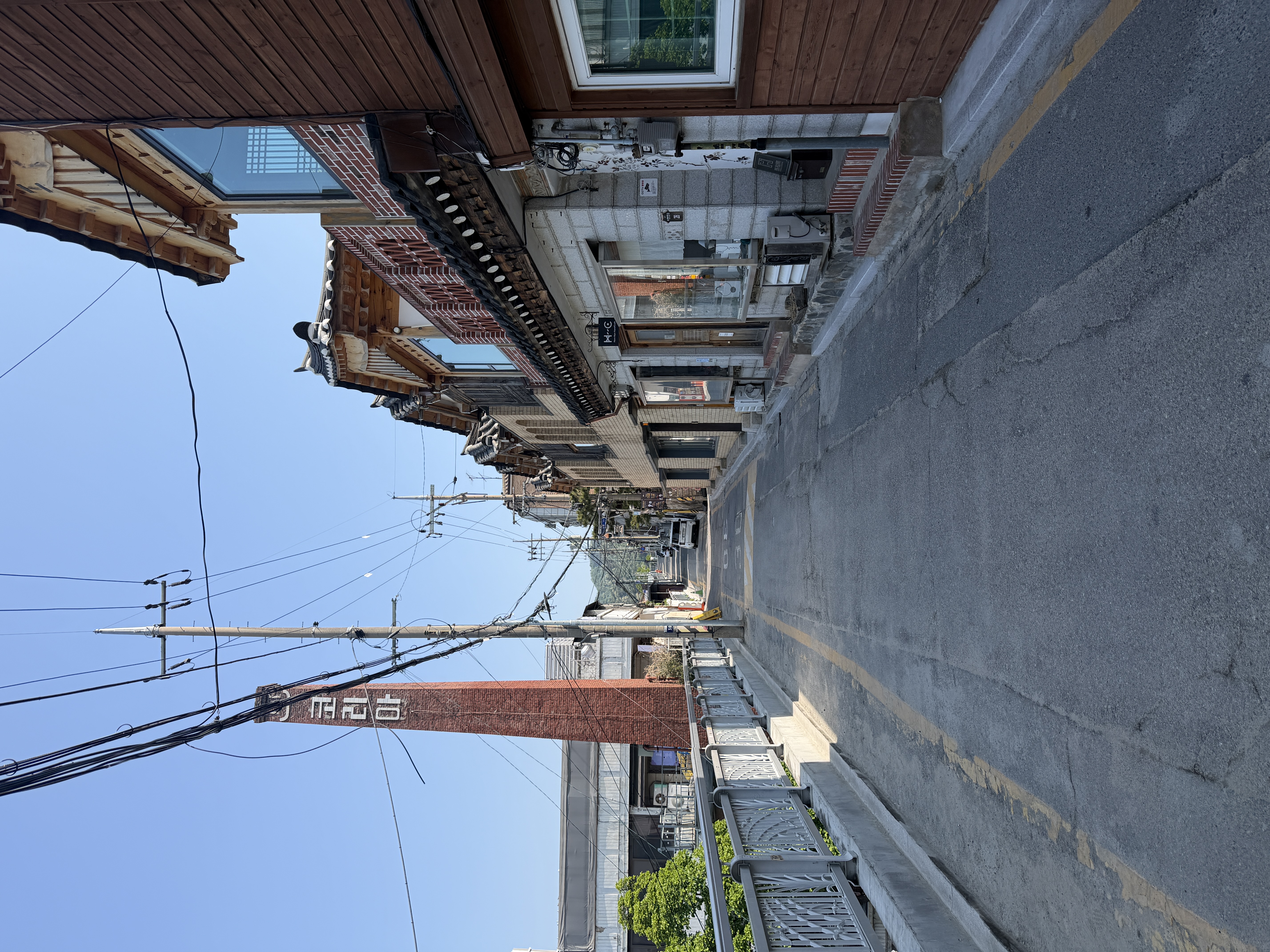
On the place where a single gust of wind, drifting in at the threshold of a season, paused and passed through
I have thought about how wind is made. It moves from high pressure to low, the atmosphere shifting its weight to close the gap between warm and cold. When the earth's surface, heated all summer long, begins to cool, cold air and warm air push and pull at each other's edges, and wind is born in the space between. The threshold where one season turns into another is the time when two air masses quietly negotiate, and the byproduct of that negotiation is the September breeze that grazes our cheeks.
It is always the nose, not the skin, that notices the wind first. The grass bends a little, the soil grows a little damp, and the scent of things ripening somewhere drifts in and mingles with the rest. A sweetness there is no other word for. No fruit is ever sweet in such a wide, unhurried way. It is a sweetness you take in gradually — walking, stopping, walking again.
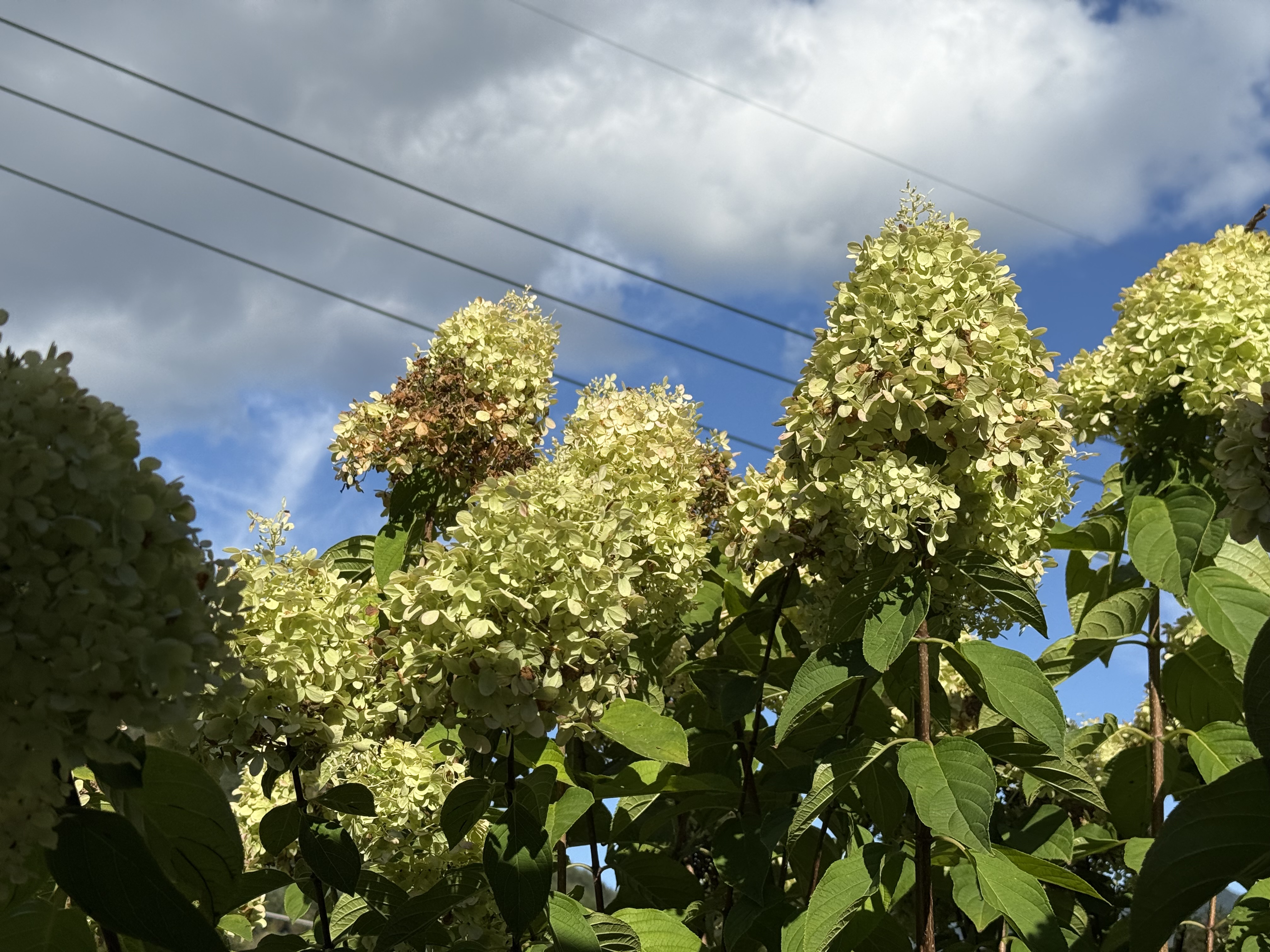
The late-summer hydrangeas had not yet fallen, but the texture of the breeze filtering through their blooms had already changed.
The hydrangeas were still holding their white flowers. More precisely, a color somewhere between white and pale green — that particular shade hydrangeas take on at the very end of summer. The vivid brightness of full bloom had already faded, yet they were not wilting either. As though the flowers had sensed before anyone else that the season was in transition, they were quietly changing color. This is how the departure of summer is announced. Not by declaration, but by discoloration.
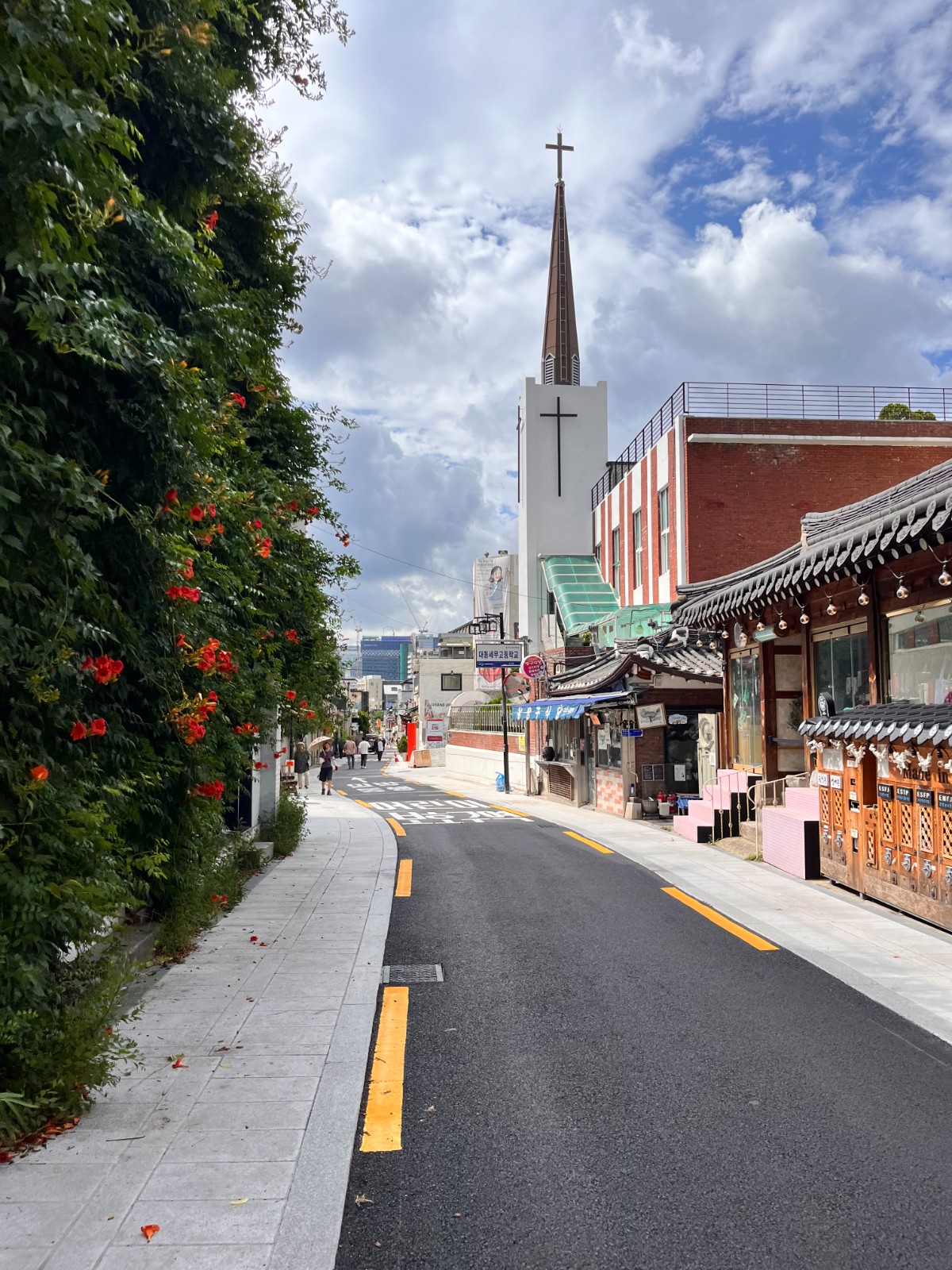
This same wind must have come at this time last year. The same pressure pattern, the same difference in temperature, the same path. The wind does not remember, but the body does. The way a certain scent reaching the tip of your nose can suddenly bring back an afternoon from a year ago. The wind returns every year to shake the leaves, to set the wind chimes under the eaves ringing, to tilt a sign at the mouth of an alley just slightly. Unhurried, keeping pace with whatever is ready to receive it.
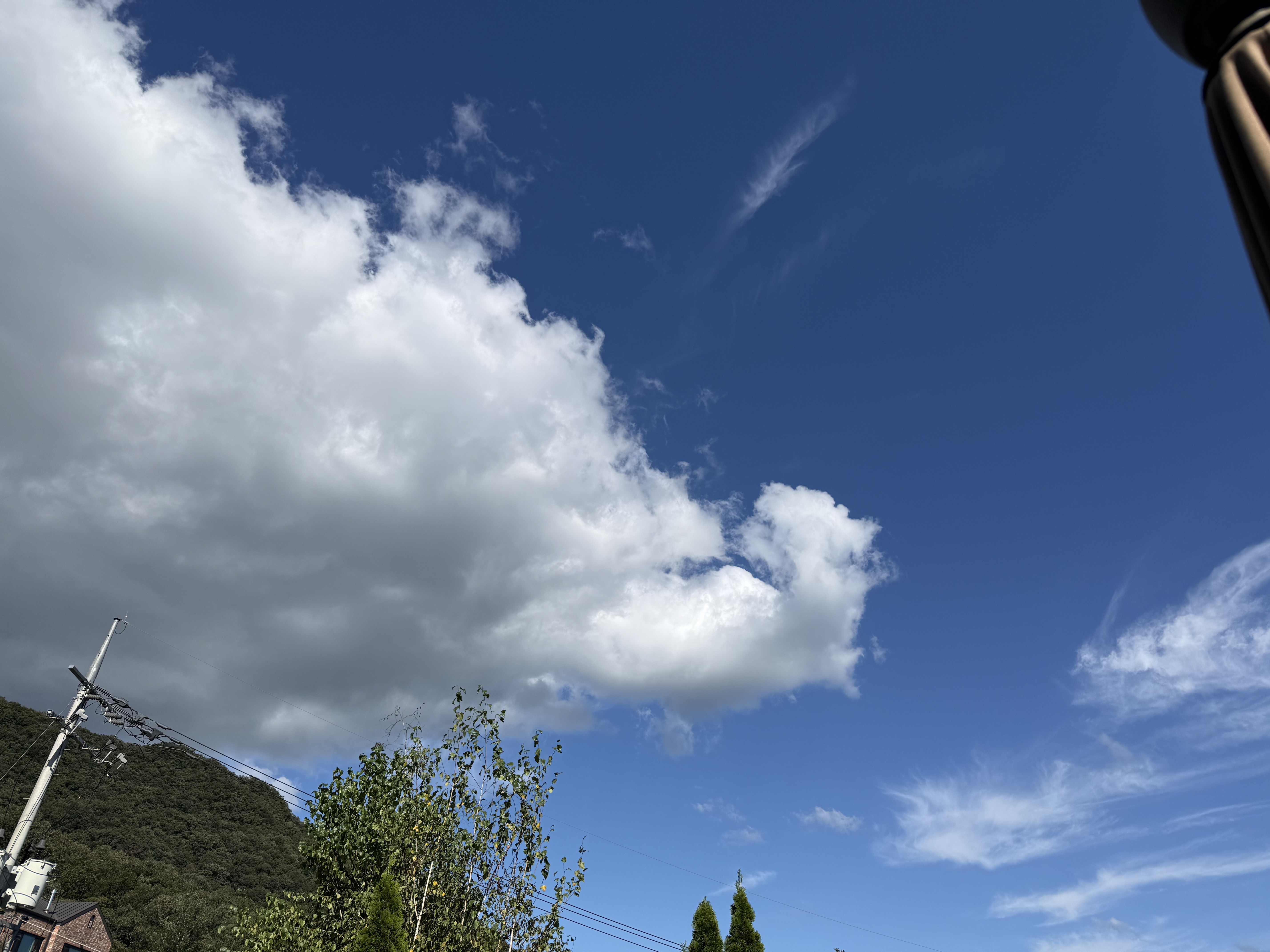
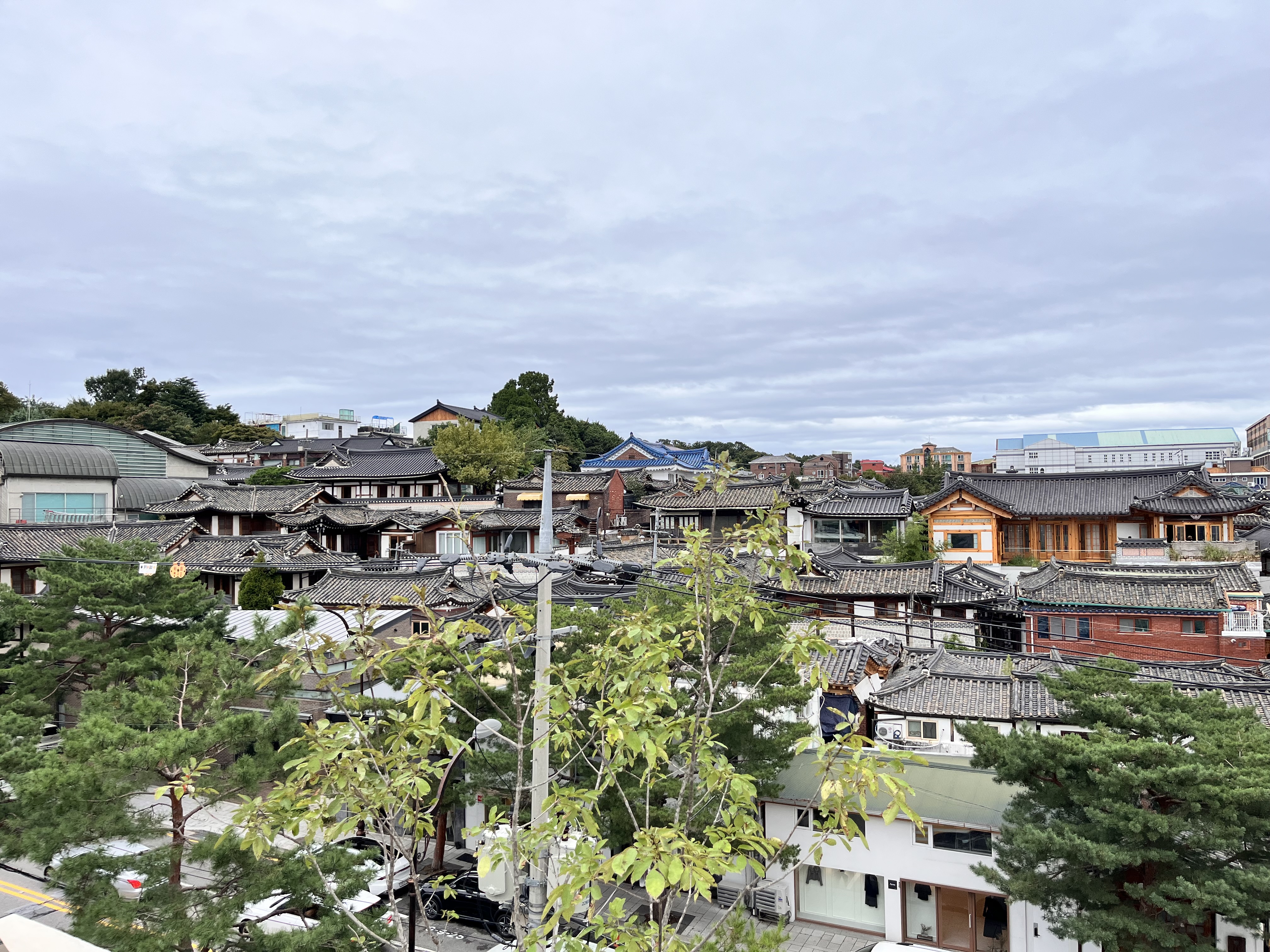
While the trees on the hilltop caught the shadows of passing clouds, down below the wind was turning the leaves one by one.
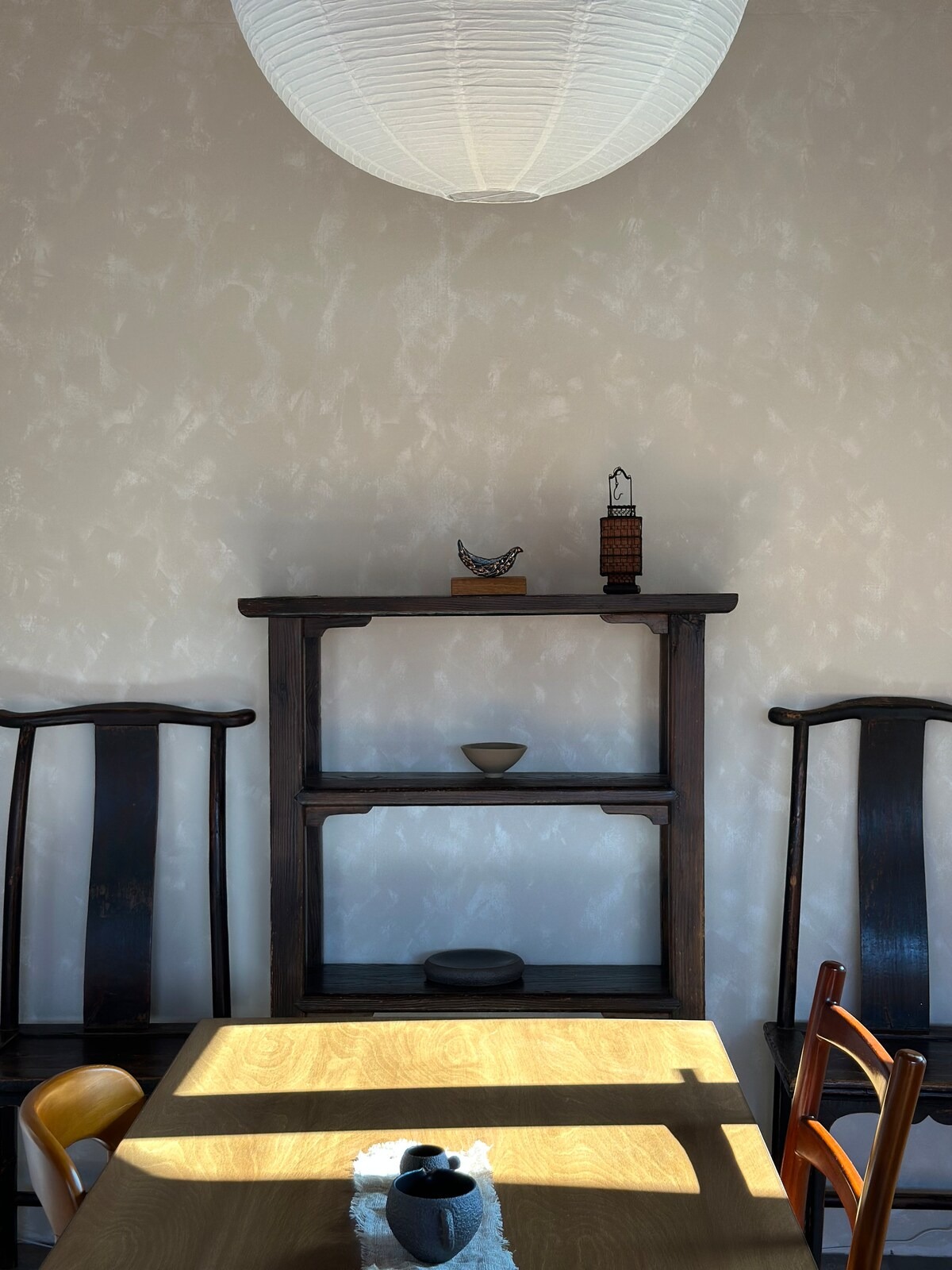
The clouds were large and slow. Cumulus clouds drifted gradually over the ridgeline, casting shadows across the trees on the hill before lifting them away again. The rhythm of light and shade trading places was nearly in time with the speed of the wind. On a day like this, looking up at the sky through the window of a certain inn, the boundary between being inside the room and being inside the sky blurs for a moment.
To call the seasonal breeze warm would be slightly wrong; to call it cool would leave something out. The temperature against the skin has clearly dropped, yet there is something softly enveloping about it, and that embrace is not cold. The moment a body that has been braced all summer finally lets go, the wind moves in to fill that space. The leaves respond the same way. When the wind blows, they flip over, their silver undersides exposed for just an instant before settling back into place. Like a brief greeting.
This wind does not linger long. When the pressure finds its balance again, the wind will ease, and autumn will step into its place. This moment right now is neither summer nor autumn but the space between — a time when two seasons are briefly holding hands. It will come again next year. The same difference in temperature, the same path. The leaves will flip over for a moment and return to where they were, and the hydrangeas will begin to change color again around that same time.