The Origin of the Name Gyedong-gil
A small chronicle of time and names held within an alley in Bukchon
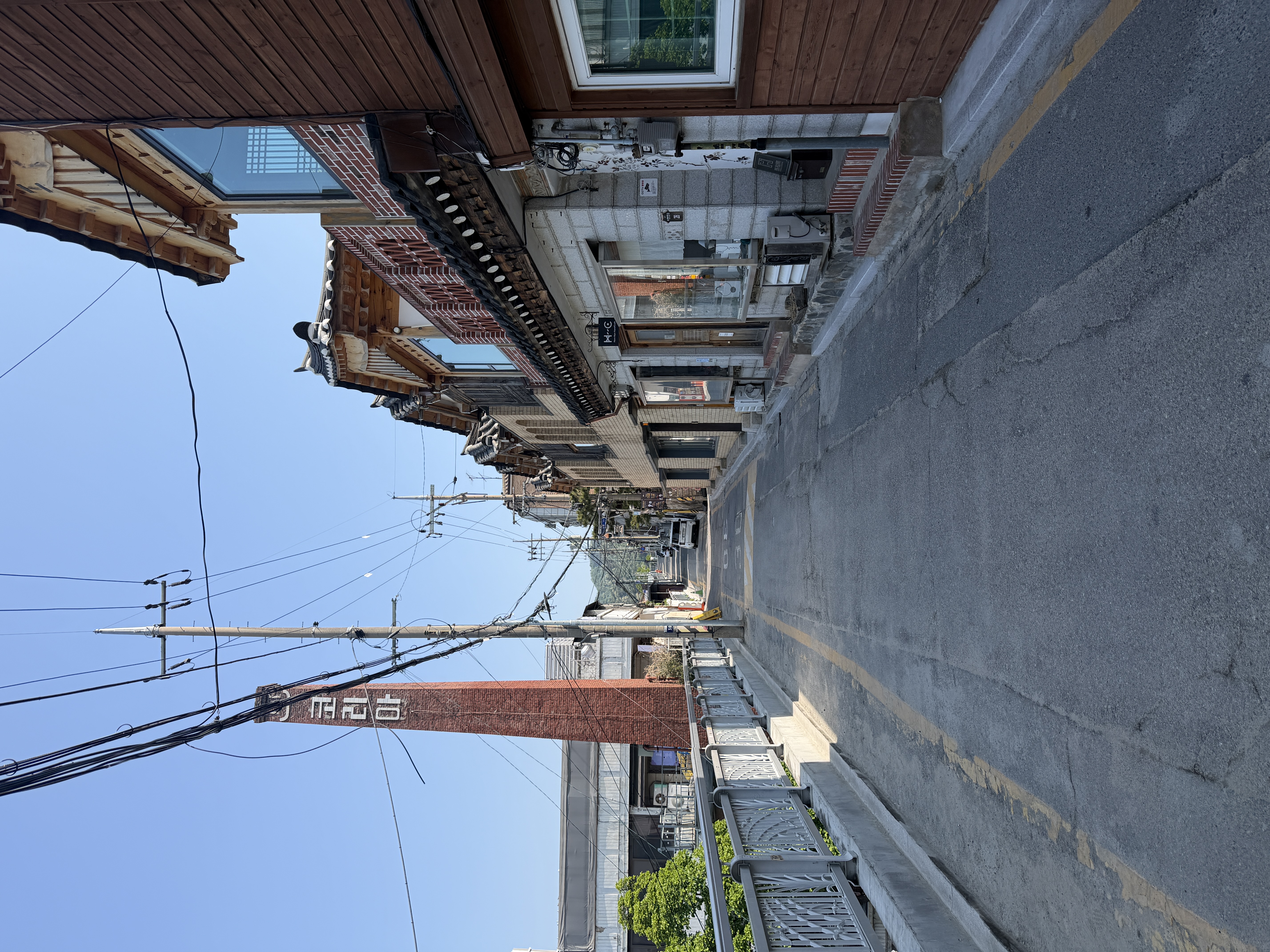
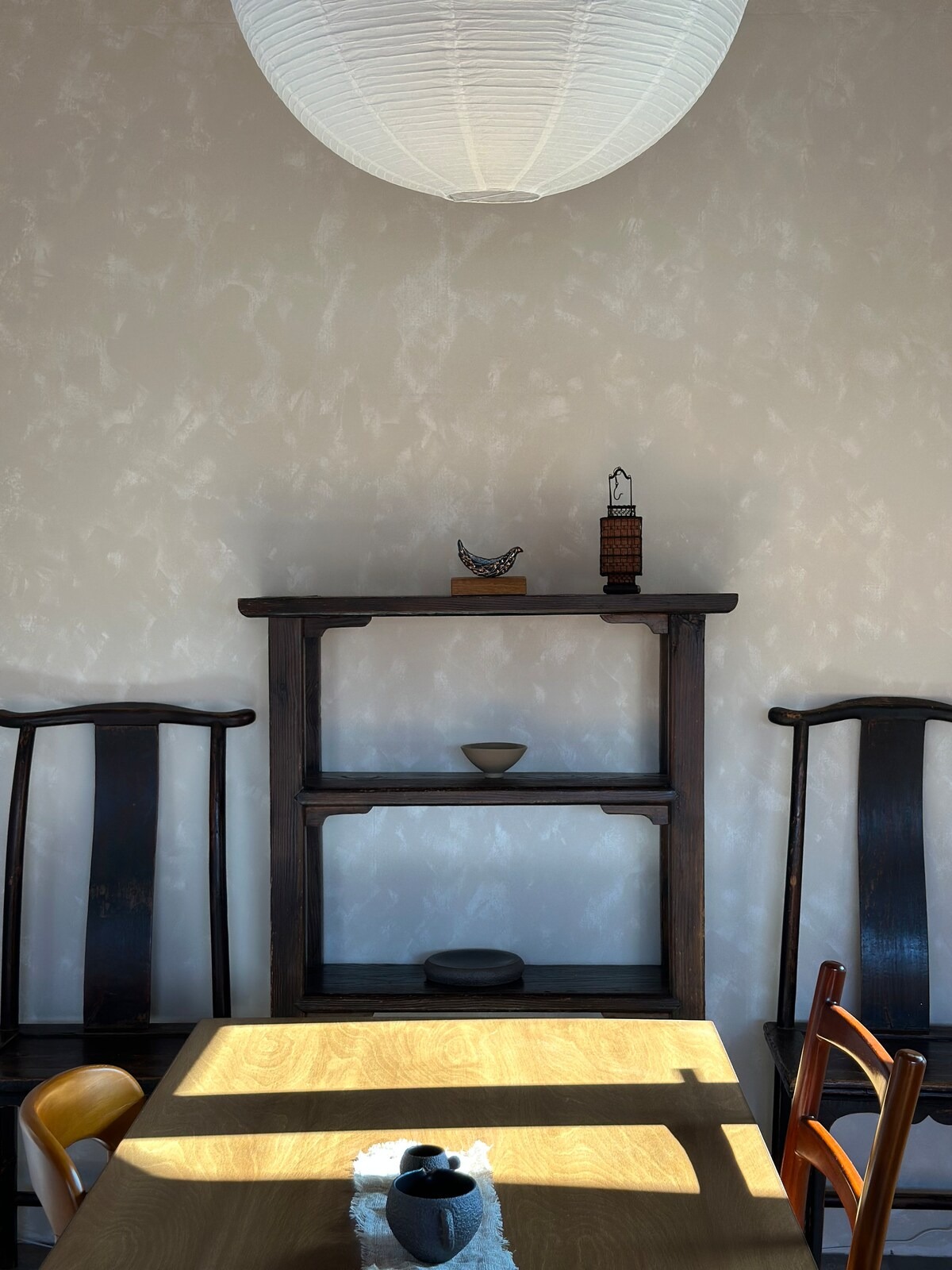
First-time walkers of Gyedong-gil rarely ask why this alley is called 'Gyedong.' You just walk. Old walls, the sound of rain falling from the tiled eaves, the scent of coffee wafting from someone's window. Curiosity about the name comes later.
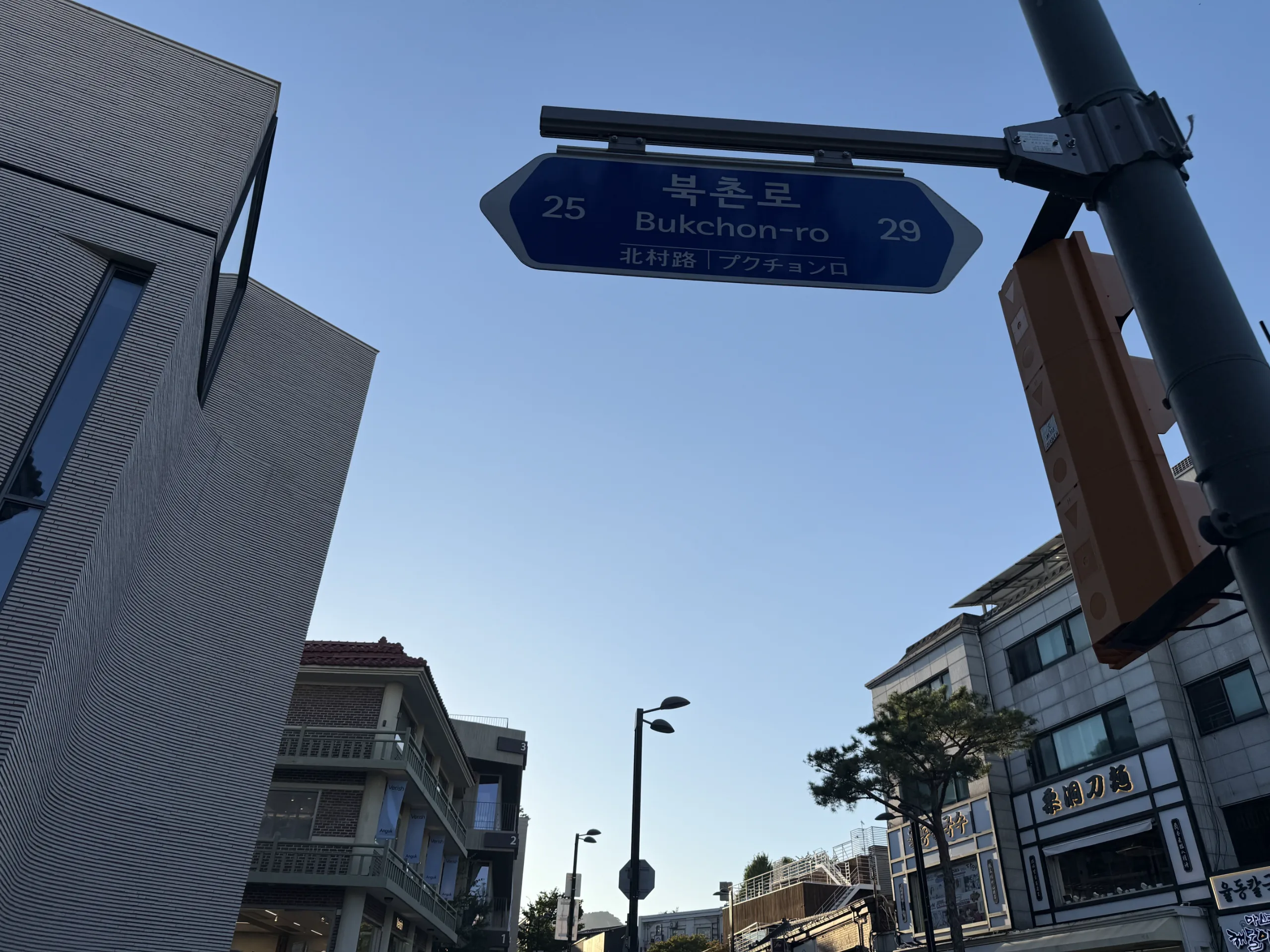
The name Gyedong (桂洞) traces back to the Joseon Dynasty. Some say the area was abundant with cinnamon trees, while others attribute it to a nearby valley's name. Neither story is confirmed. Yet, the fact that the single character 'Gye (桂)' has endured for centuries to become the name of today's alley is strangely reassuring. That's the nature of names. Even when people vanish and trees are felled, the letters etched on maps linger for a while.
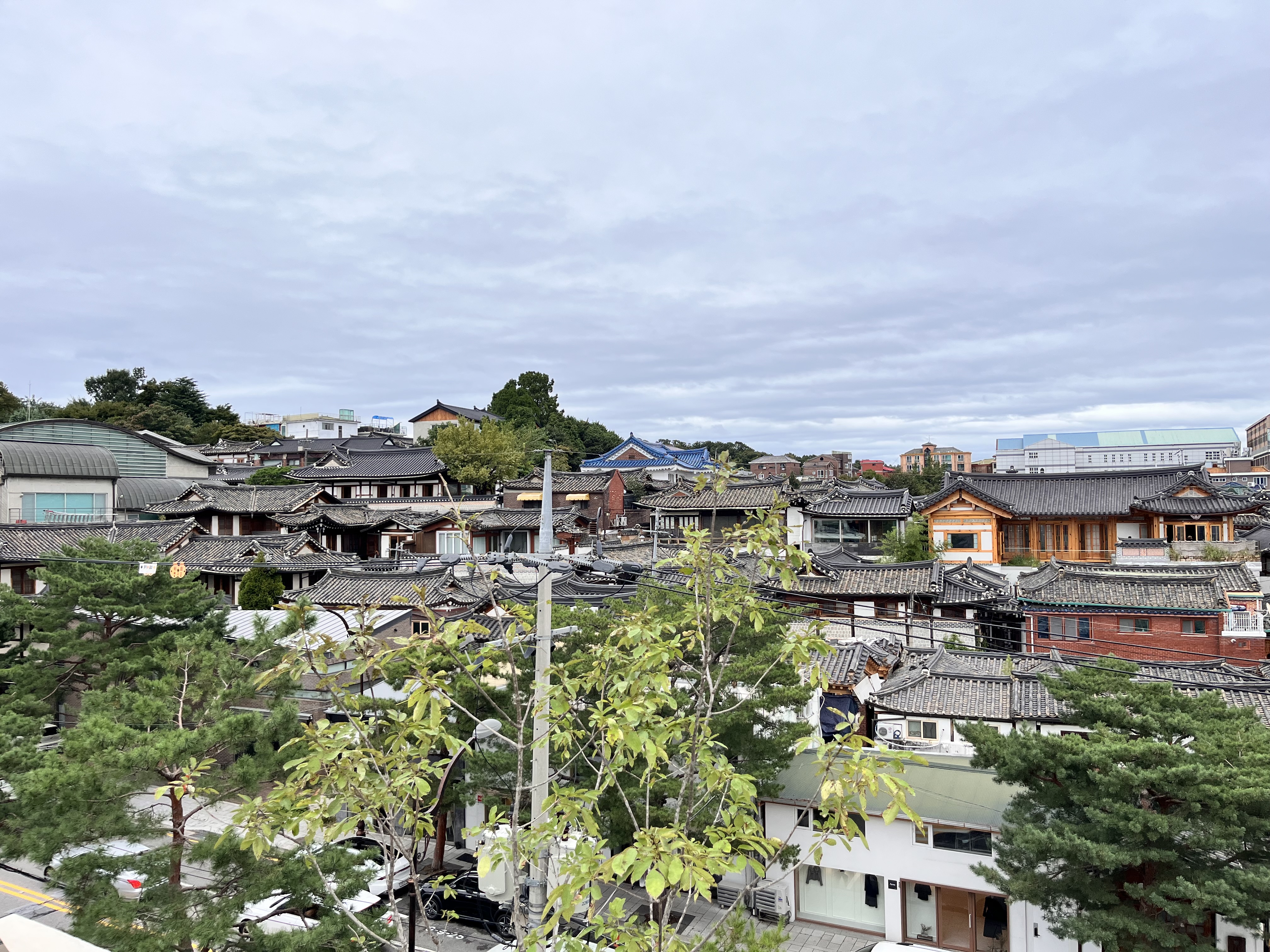
During the Joseon era, this neighborhood was home to many middle-class people and interpreters. Nestled somewhere between the northern noble neighborhoods and the southern commoner neighborhoods, they built houses, read books, and learned foreign languages. That legacy remains in the alley's scale. Neither too wide nor too narrow, the width of the road, the height of the walls, the spacing between houses—all are proportions naturally solidified over time as people lived here.
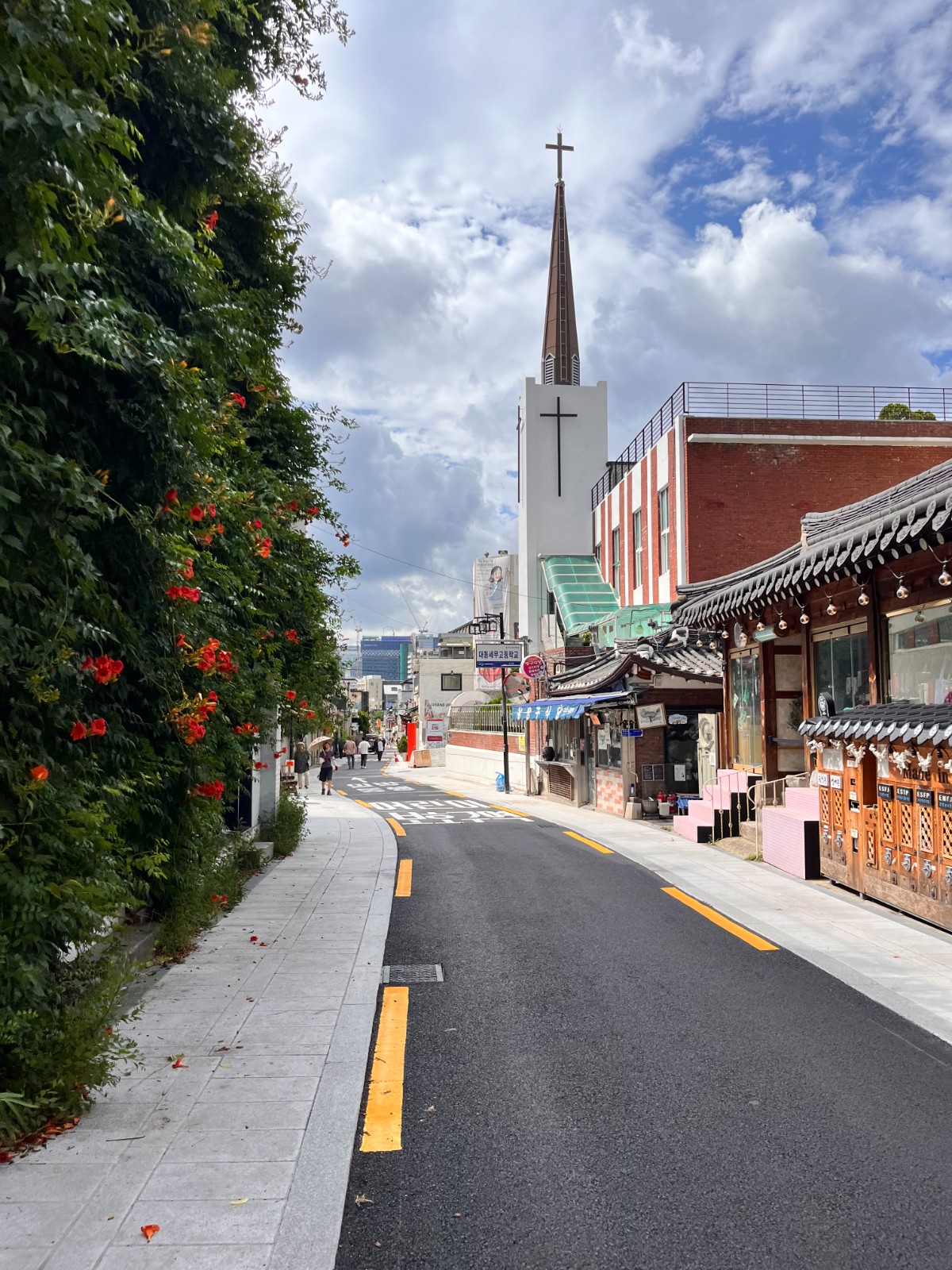
As you walk down the alley, this coexistence becomes apparent. Next to a red brick church steeple, a hanok wall with a tiled roof extends, with flowering vines spreading above. Things that seem unlikely to harmonize stand side by side without much conflict. Perhaps this is why Gyedong-gil, despite being an old neighborhood, doesn't feel like a museum. It's not preserved; it's simply continued to live.
As modern times progressed, schools were established, print shops appeared, and small stores opened and closed in Gyedong. Since the 1990s, this quietly aging neighborhood has again come into focus. People began to renovate hanoks into cafes or set up studios in old buildings. Some lament this change, others welcome it. Either way, the alley is still walkable, and people still live here.
If Gyedong-gil has a charm, it might be that the alley doesn't feel the need to explain the origin of its name. Whether there were cinnamon trees or a valley, we don't know now. But the name remains, the alley remains, and flowers bloom above the walls. That seems to be enough.
Sometimes, the mere survival of a name tells a story more compelling than its origin.